

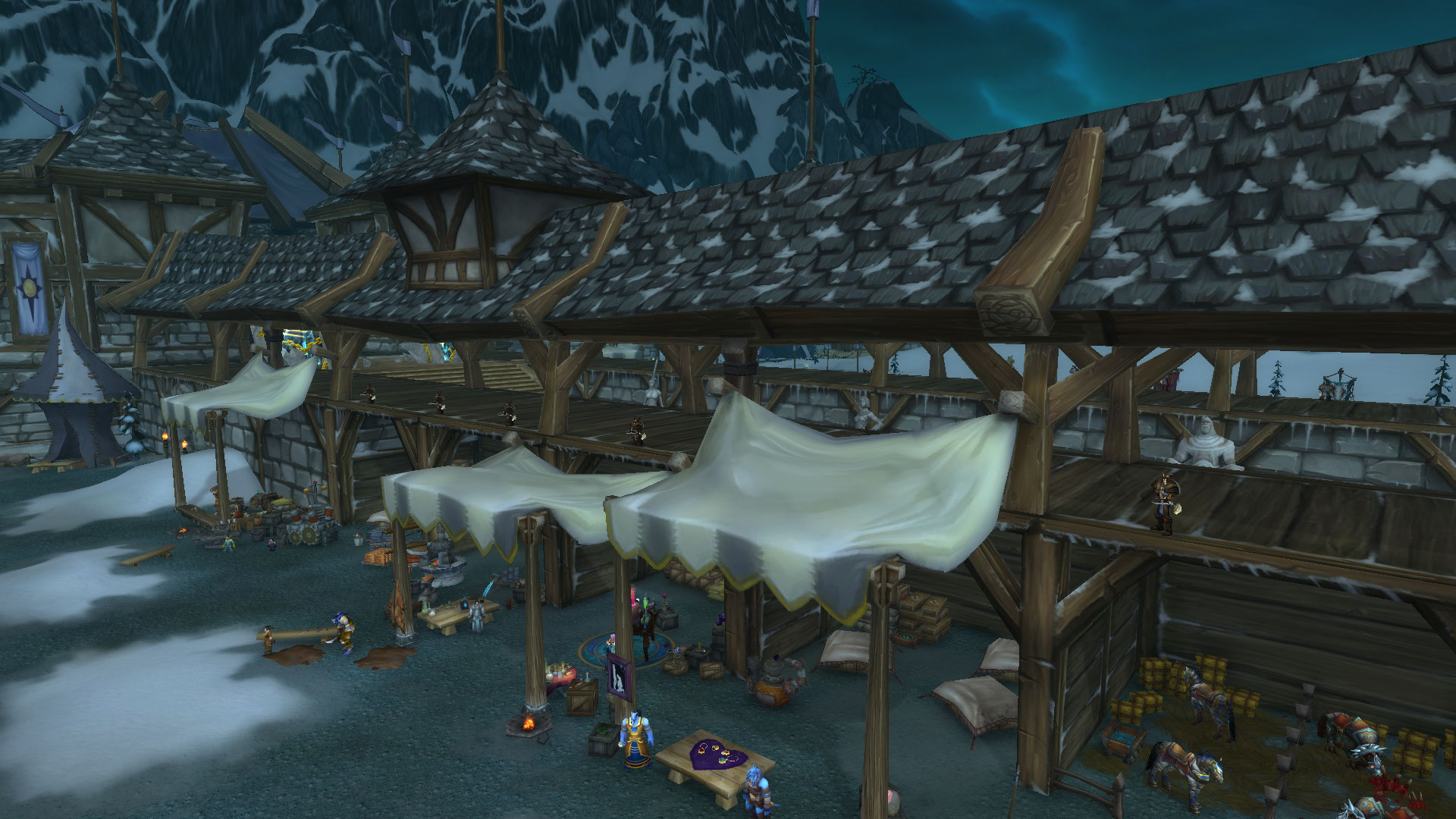
The Icecrown zone in World of Warcraft’s Wrath of the Lich King expansion is a masterclass in environmental storytelling and design. Its oppressive atmosphere, intricate architecture, and thematic elements combine to create a sense of dread and inevitability. Players are drawn into a world that feels both expansive and claustrophobic, evoking the despair of facing the Lich King himself. This guide explores the design elements that contribute to Icecrown’s unique atmosphere, providing insights into its impact on gameplay and player experience.
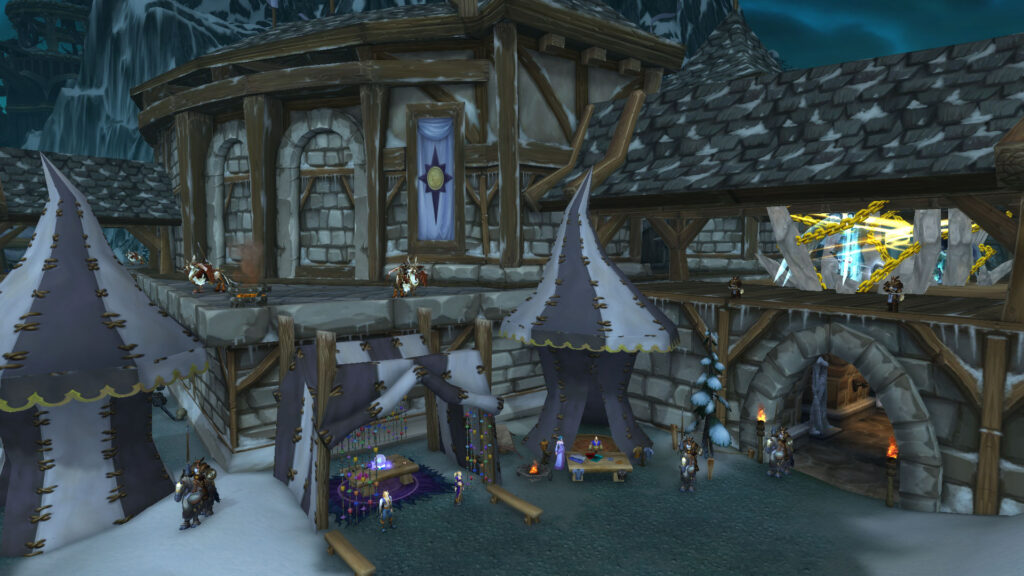
What Are the Key Design Elements of Icecrown’s Fortress of Despair?
The Icecrown zone is characterized by its dark color palette, imposing architecture, and environmental storytelling that evokes a sense of despair and hopelessness.
The design of Icecrown is meticulously crafted to immerse players in a world that feels both foreboding and oppressive. The color scheme predominantly features dark blues, blacks, and grays, which contribute to the overall sense of dread. The architecture is grand yet menacing, with towering structures that loom over players, creating a feeling of being watched. The use of environmental storytelling, such as the scattered remnants of fallen heroes and the presence of undead minions, reinforces the theme of despair. Below is a comparison table showcasing key design metrics that highlight these elements.
| Design Element | Color Palette | Architecture Style | Environmental Storytelling |
|---|---|---|---|
| Dark and Foreboding | Dark Blues and Grays | Gothic and Monolithic | Remnants of Fallen Heroes |
| Overwhelming Scale | Black and White Contrasts | Imposing Structures | Undead Minions |
| Atmospheric Effects | Muted Tones | Fortress-like Designs | Visual Cues of Despair |
How Does Icecrown’s Design Enhance Player Experience?
Icecrown’s design enhances player experience by creating an immersive environment that evokes strong emotional responses and reinforces the narrative of despair.
The oppressive atmosphere of Icecrown serves to heighten the stakes for players, making encounters feel more intense and meaningful. The dark color palette and gothic architecture work together to create a sense of foreboding, making players feel as though they are stepping into the Lich King’s domain. This design choice is crucial for establishing the emotional weight of the narrative, as players are not just battling enemies but are also confronting the overwhelming despair that the Lich King embodies. The environmental storytelling elements, such as the remnants of past battles and the presence of tortured souls, further immerse players in the lore and history of the zone.
Mechanically, the design of Icecrown influences gameplay by creating a sense of urgency and danger. The layout of the zone, with its winding paths and hidden alcoves, encourages exploration while simultaneously instilling a fear of ambushes from lurking enemies. The presence of powerful foes and the atmosphere of despair compel players to strategize and collaborate, enhancing the cooperative experience. This design philosophy aligns with the overarching narrative of Wrath of the Lich King, where players are not merely adventurers but are part of a larger struggle against an overwhelming evil.
For example, the encounter with the Lich King himself is designed to feel like a culmination of the player’s journey through Icecrown. The arena’s design, with its towering spires and ominous ambiance, amplifies the emotional stakes of the battle. Players are not just fighting a boss; they are confronting the embodiment of despair, making victory feel all the more rewarding.
What Steps Can Players Take to Navigate Icecrown Effectively?
Players can navigate Icecrown effectively by understanding its layout, utilizing environmental cues, and preparing strategically for encounters.
To successfully traverse the Icecrown zone, players must familiarize themselves with its unique layout and environmental features. The zone is designed with multiple pathways, some of which lead to hidden treasures or challenging encounters. Understanding the geography of Icecrown allows players to plan their routes effectively, avoiding unnecessary confrontations while maximizing their loot potential. Additionally, players should pay attention to environmental cues, such as the presence of undead minions or the ominous sounds of battle, which can signal nearby threats or opportunities.
- Study the Map: Familiarize yourself with the layout of Icecrown to identify key locations and shortcuts.
- Utilize Stealth: If playing a stealth class, use your abilities to scout ahead and avoid ambushes.
- Coordinate with Allies: Form groups to tackle challenging areas, sharing roles and responsibilities for optimal efficiency.
- Prepare for Encounters: Stock up on consumables and gear that enhance your survivability against the undead minions.
By following these steps, players can navigate Icecrown more effectively, ensuring they are well-prepared for the challenges that lie ahead. The zone’s design encourages teamwork and strategic planning, making it essential for players to communicate and coordinate their efforts. This collaborative approach not only enhances the gameplay experience but also deepens the immersion in the narrative of despair that Icecrown embodies.
What Are the Critical Parameters for Maximizing Success in Icecrown?
Maximizing success in Icecrown requires understanding enemy mechanics, optimizing gear, and leveraging environmental advantages.
To achieve success in Icecrown, players must be aware of the specific mechanics associated with the enemies they encounter. Each type of undead foe has unique abilities and weaknesses that can be exploited. For instance, certain enemies may be susceptible to specific damage types, while others may have mechanics that require players to spread out to avoid area damage. Understanding these parameters is crucial for formulating effective strategies during encounters.
Additionally, optimizing gear is essential for surviving the challenges of Icecrown. Players should focus on acquiring gear that enhances their primary stats and provides bonuses against undead enemies. This includes using enchantments and consumables that increase damage output or survivability. Environmental advantages, such as high ground or cover, can also be leveraged during battles to gain a tactical edge. Players should be mindful of their positioning and use the terrain to their advantage, especially when facing powerful foes.
Ultimately, success in Icecrown is not just about individual skill but also about understanding the dynamics of teamwork. Players must communicate effectively, share information about enemy mechanics, and coordinate their attacks to overcome the challenges presented by the Lich King’s forces. This collaborative effort not only enhances the gameplay experience but also reinforces the thematic elements of despair and unity against a common enemy.
What Common Issues Do Players Encounter in Icecrown?
Players commonly encounter issues such as overwhelming enemy numbers, environmental hazards, and miscommunication during encounters in Icecrown.
One of the most significant challenges players face in Icecrown is the sheer number of enemies that can overwhelm even the most prepared groups. The design of the zone often leads to situations where players are ambushed by multiple foes, resulting in quick defeats if not managed properly. This can be particularly frustrating for players who are not familiar with the zone’s layout or enemy mechanics. Additionally, environmental hazards, such as traps or difficult terrain, can complicate encounters and lead to unexpected deaths.
Miscommunication among team members can also pose a significant problem during encounters in Icecrown. Given the complexity of the mechanics and the need for coordination, a lack of clear communication can result in players failing to execute strategies effectively. This can lead to unnecessary wipes and frustration, particularly during challenging boss fights. To mitigate these issues, players should prioritize clear communication, establish roles within their groups, and develop strategies that account for the zone’s unique challenges.
By addressing these common issues, players can enhance their experience in Icecrown and better appreciate the intricate design and storytelling that the zone offers. Understanding the mechanics of the enemies, leveraging environmental advantages, and fostering effective communication are all vital components of navigating the challenges presented by the Lich King’s domain.
What Future Trends in Zone Design Can Be Inferred from Icecrown?
Future trends in zone design may lean towards immersive storytelling, environmental interaction, and emotional engagement, as exemplified by Icecrown.
The success of Icecrown as a zone in Wrath of the Lich King highlights the importance of immersive storytelling and environmental interaction in game design. Future zones may continue to build on these principles, creating environments that not only serve as backdrops for gameplay but also enhance the narrative experience. Designers may focus on crafting zones that evoke strong emotional responses, using color palettes, architecture, and environmental storytelling to draw players into the world.
Additionally, the trend towards increased player agency and interaction with the environment may shape future zone designs. Players may be given more opportunities to influence the world around them, whether through dynamic events, destructible environments, or choices that affect the narrative. This could lead to a more personalized experience, where players feel a deeper connection to the world and its story. The lessons learned from Icecrown’s design can inform these developments, ensuring that future zones resonate with players on both mechanical and emotional levels.
Ultimately, the legacy of Icecrown will likely continue to influence game design, encouraging developers to prioritize storytelling, emotional engagement, and player interaction in their future projects. As players seek more immersive experiences, the principles established in Icecrown will serve as a benchmark for creating compelling and memorable zones in the gaming landscape.